The Crow (1994): The Greatest Love Story Gen-X Ever Told
When I first watched the film The Crow (1994), it felt like someone had filmed the inside of my head. A rain-soaked city, a soundtrack pulsing with heartbreak, a hero risen from death for the sake of love. That’s the greatest love story our generation ever got.

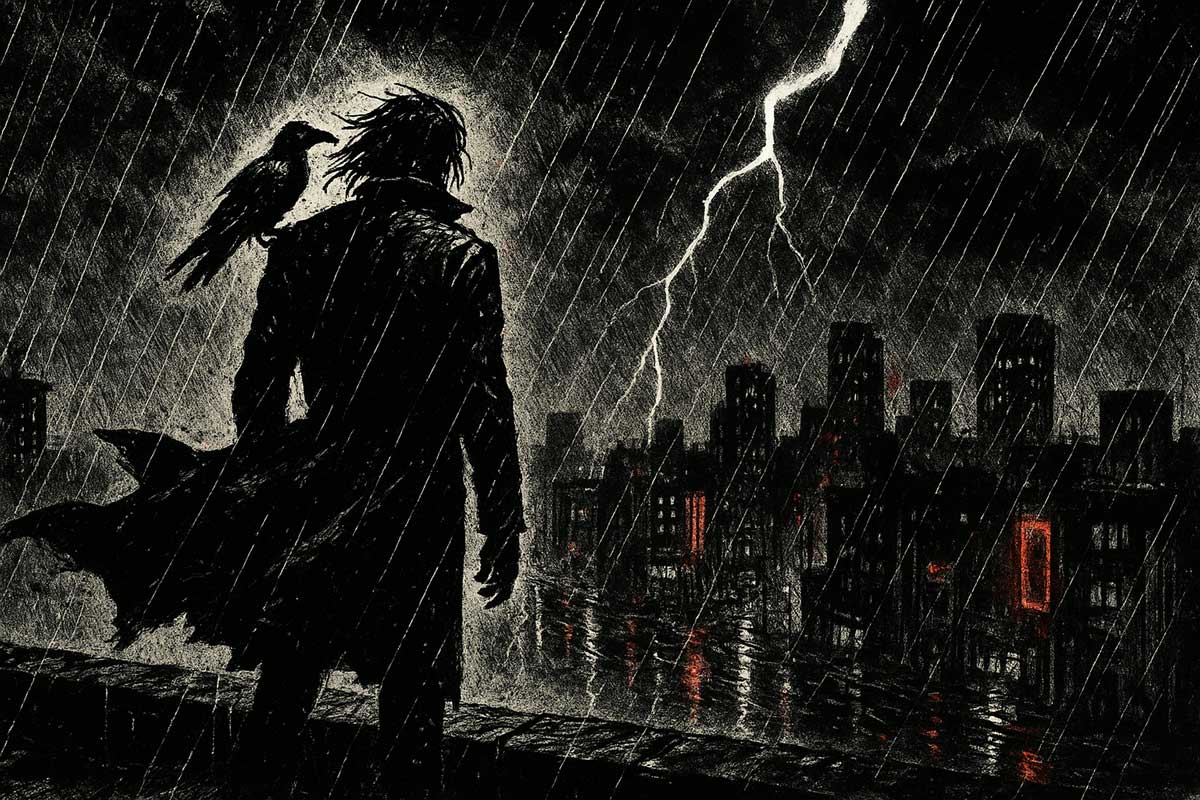
he greatest love story ever told does not take place on a ship or in a shower of rose petals. It happens in an alley lit by fire and neon, in a city that never stops raining, where grief and revenge hold hands. The Crow from 1994 is that story. It is soaked in distortion, cigarette smoke, and heartbreak, and it belongs completely to Gen-X. We did not just watch it. We lived it. We wore its eyeliner. We played its soundtrack until the cassette melted. We quoted it until our friends begged us to stop. “It can’t rain all the time.” We believed that, even when it felt like it could.
When The Crow came out, it did not feel like another comic-book flick. It felt like someone had filmed the inside of our heads. The city looked like every bad night we ever had. The music sounded like our mixtapes. Eric Draven was every brokenhearted kid who thought love could outlive death. Brandon Lee made the role immortal. He was not pretending to be Eric Draven. He was Eric Draven, quiet rage wrapped in poetry and paint. The tragedy of his death turned the film into a eulogy we did not realize we needed. Every frame became sacred. Watching it now still feels like sneaking into a church built out of grief.
The story itself is simple but hits harder than most of what passes for deep today. Eric Draven and his fiancée Shelly are murdered by a gang of lowlifes in a crumbling city that looks like Detroit after the end of the world. One year later, a mystical crow drags Eric out of the grave to make things right. It is not revenge for revenge’s sake. It is love refusing to shut up. He hunts each killer, not out of anger but to close a circle. His pain is love turned kinetic. Every step he takes through that rain-drenched city feels like heartbreak with purpose.
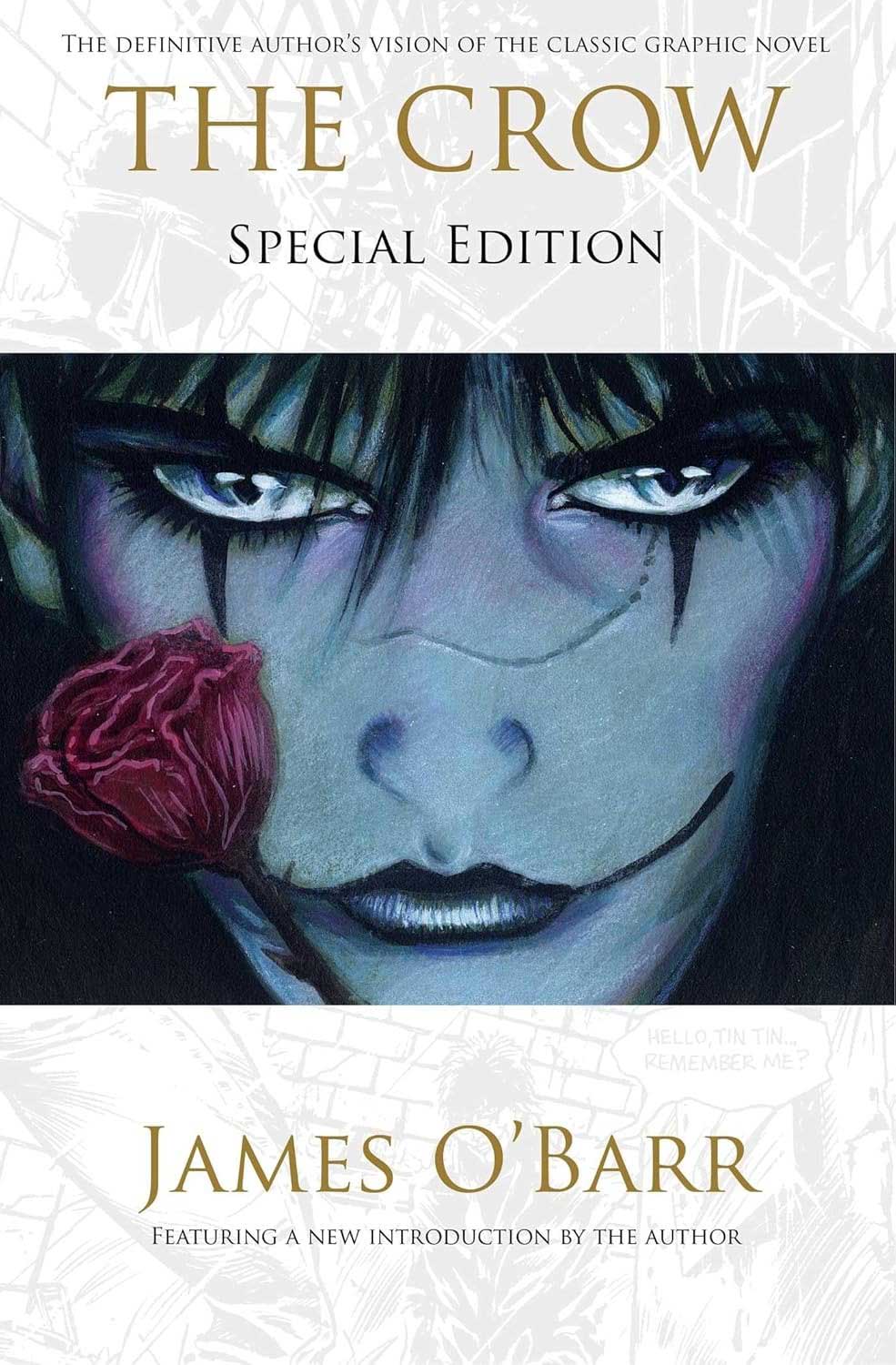
Director Alex Proyas turned James O’Barr’s raw comic into something that looked alive and diseased at the same time. O’Barr wrote the comic while mourning the death of his fiancée, pouring all that hurt into black ink and Joy Division lyrics. You can see that pain in every frame of the movie. It is not slick or sanitized. It is grimy, emotional, and unapologetic, just like Gen-X. We did not want heroes. We wanted something true, and The Crow gave us that.
And then there is the soundtrack. The soundtrack is not background. It is blood. The Cure’s “Burn” slides in like a ghost. Stone Temple Pilots deliver “Big Empty,” a song that could score every long drive through suburban nothingness. Nine Inch Nails turn Joy Division’s “Dead Souls” into industrial confession. Rage Against the Machine, Pantera, Helmet, and Rollins Band all pile on. It is every band that mattered in the 90s trapped on one disc, somehow getting along. You did not just buy the soundtrack. You carried it like scripture. The first riff of “Burn” was enough to pull you back to who you were when you still believed music could save you.
If you were around back then, you remember the Halloween phenomenon. Every party had at least one Crow. Usually ten. Trench coat, electrical tape, smudged white makeup, maybe a prop guitar for authenticity. It did not matter if you could pull it off. The point was that you tried. The Crow costume was not about pretending to be someone else. It was about admitting who you were. A little broken, a little romantic, and way too serious about everything. We thought we looked mysterious. In reality, we looked like kids who had seen The Crow too many times, which was true. It was not just fashion. It was a coping mechanism.
Brandon Lee’s death during filming turned the movie from cool to mythic. He died from a prop gun accident before production was complete, and that tragedy became part of the film’s DNA. The idea of love surviving death was no longer fiction. It was fact. The dedication at the end hit like a punch: “For Brandon and Eliza.” You could feel the entire audience exhale. The movie had become something more than entertainment. It was grief therapy for a generation that did not do therapy.
The world tried to copy it. Hollywood churned out sequels, spinoffs, and reimaginings, none worth the time. They all missed the one thing that made the original work: sincerity. You cannot fake sincerity. You cannot choreograph pain. The later versions had no heart. The original was lightning in a bottle, an accidental masterpiece born from timing, music, and real loss. Every reboot since has been karaoke, technically on pitch but emotionally tone-deaf.
I have seen The Crow more times than I can count. Easily over a hundred. I still quote it without shame. The way Lee moves, the way the rain never stops, the way that city breathes rot and romance it never gets old. The film is so steeped in its era that watching it now feels like opening a time capsule filled with cigarette smoke, angst, and flannel. It reminds me that being young was not about optimism. It was about surviving disappointment with style. That is Gen-X in a nutshell. We laughed at everything but still hoped for something real. This movie gave us that.
There is a strange kind of comfort in The Crow. It takes all the worst things grief, love, violence, isolation and turns them into something beautiful. It does not offer easy answers or redemption arcs. It just says that love does not quit, even when everything else does. That line, “It can’t rain all the time,” still lands. It is naive and profound all at once. It is exactly what we needed to believe when we were twenty and the world felt too heavy. It still works now, decades later, because it carries the same broken optimism that defined our generation. We knew it probably would rain forever, but we wanted to believe otherwise. That is the trick.
Watching The Crow today hits different but still hits. The analog grit of it feels rebellious in a world where everything is too polished. You can see the grain of the film. You can hear the raw edges in the soundtrack. Nothing about it is smooth, and that is why it is timeless. It was made before irony became a brand. It was art that did not apologize for feeling too much.
It is also the rare film that is both masculine and tender. Eric Draven is not an action hero. He is a romantic who bleeds for what he loves. Gen-X men did not get many characters who were allowed to cry while also wrecking bad guys with poetic monologues. He did both, and he looked cool doing it. He made sadness look like rebellion.
Every time I rewatch it, I am pulled back to the same place: the early 90s, when everything felt possible and impossible at the same time. The world was falling apart in slow motion, and somehow that was comforting. We were the first generation to know everything was messed up and the last to still care enough to fight about it. The Crow captured that contradiction perfectly. It is romantic nihilism. It is love that bites back.
Three decades later, the film still holds up because it was never about special effects or plot twists. It was about emotion. It was about feeling too much and pretending you did not. That is why it belongs to Gen-X. We built our armor out of sarcasm, but inside we were mush. Eric Draven was us in makeup.
So yes, it is a love story, the greatest one. Not because it ends happily but because it refuses to end at all. Love, death, and vengeance fuse into one messy declaration: some things matter so much they defy decay. That is why we still quote it. That is why we still wear black. That is why we still play that soundtrack too loud.
When the rain starts, I still hear Lee’s voice in my head. “It can’t rain all the time.” It is a lie, but it is a beautiful one, and I will keep believing it.
Brandon Lee.... rest in peace brother...
TheCrow #BrandonLee #GenX #CultClassic #TheCure #Grunge
And for the record, The Cure’s “Burn” is greatest movie song ever recorded.
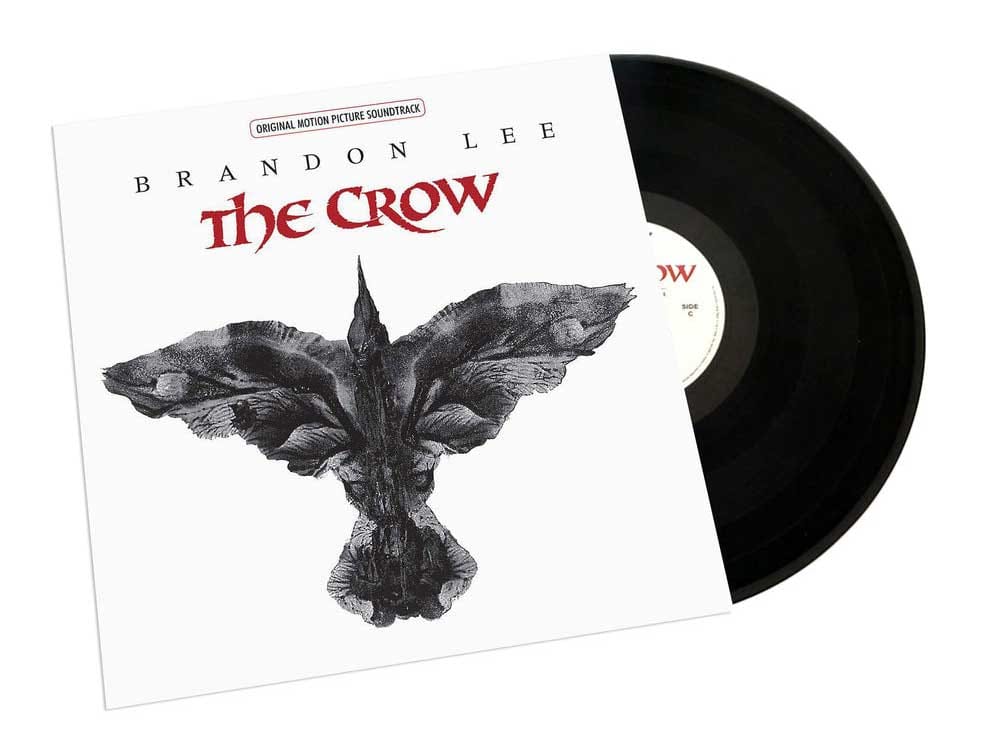
Best Soundtrack Ever!
If you’ve never listened to The Crow: Original Motion Picture Soundtrack, fix that immediately. It’s the definitive Gen-X album dark, poetic, and bursting with the raw emotion that made the 90s electric. This isn’t background music; it’s the pulse of the film and the decade. Every track hits like a memory you forgot you had. It’s worth owning on vinyl, CD, cassette, or whatever format you can find. Just play it loud, lights low, rain optional.
Track List – The Crow: Original Motion Picture Soundtrack (1994)
- The Cure – “Burn”
- Stone Temple Pilots – “Big Empty”
- Nine Inch Nails – “Dead Souls” (Joy Division cover)
- Rage Against the Machine – “Darkness”
- Violent Femmes – “Color Me Once”
- Rollins Band – “Ghost Rider” (Suicide cover)
- Helmet – “Milktoast”
- Pantera – “The Badge” (Poison Idea cover)
- For Love Not Lisa – “Slip Slide Melting”
- My Life with the Thrill Kill Kult – “After the Flesh”
- Machines of Loving Grace – “Golgotha Tenement Blues”
- Medicine – “Time Baby III”
- Jane Siberry – “It Can’t Rain All the Time”
The Original Graphic Novel. Read it now!
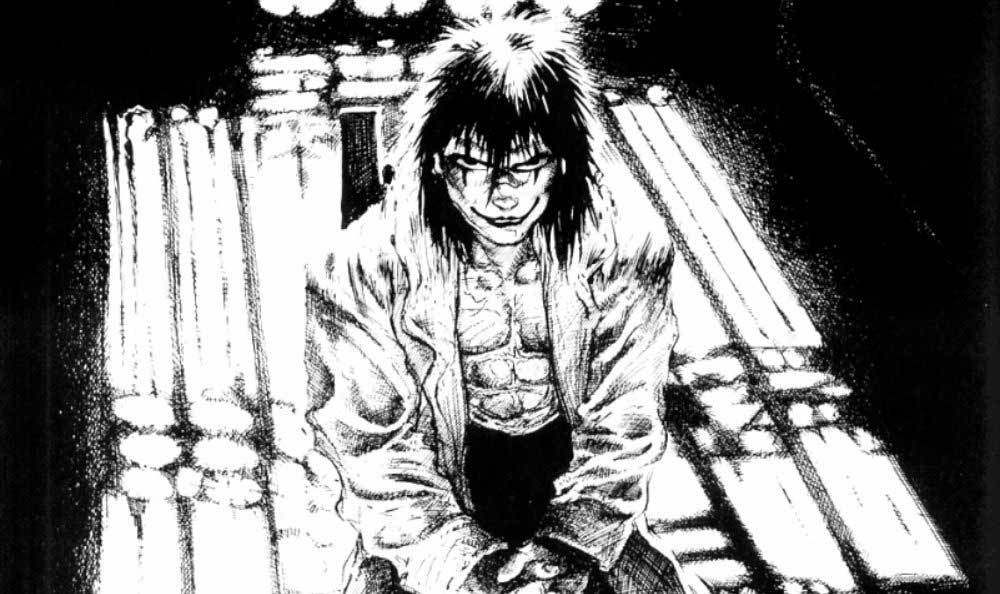
If you loved the movie, you owe it to yourself to read The Crow graphic novel. It is not just source material. It is the soul of the story, raw and unfiltered. Written and illustrated by James O’Barr, the comic is equal parts poetry, violence, and heartbreak. It is gritty, emotional, and painfully human, drawn in stark black and white panels that feel like they were carved out of grief.
O’Barr did not set out to make a cult classic. He wrote The Crow while grieving the death of his fiancée, who was killed by a drunk driver before they could marry. He started drawing as a way to survive the loss, to find meaning in a world that no longer made sense. Every page carries that pain. The comic mixes punk and goth culture with raw emotion, Joy Division lyrics, surreal imagery, and scenes that look like nightmares painted with love.
The art is stunning in its imperfection. The lines are rough, the characters fragile, and the mood devastatingly beautiful. It is not polished, and that is exactly why it works. You can feel O’Barr working through his grief with every stroke of ink.
Where the movie gave us rain and fire, the graphic novel gives us silence and sorrow. It is darker, sadder, and somehow even more romantic. If you want to understand why this story still hits after three decades, start there. It is not just a comic. It is a love letter written in pain, and it is fantastic.