Nirvana Shirts at Target: Why Gen X Should Stop Policing Who Gets To Love Nirvana
Nirvana shirts at Target hit differently for Gen X. They remind us of the music that shaped us, the trauma of losing Kurt and the way Nirvana spoke our truth long before anyone else did. But instead of gatekeeping the band, maybe it is time to celebrate that new generations are discovering them too.

There are moments that punch you in the nostalgia with no warning. You walk into Target on a random Tuesday thinking about toothpaste and dish soap, and then out of nowhere you are staring at a massive display of Nirvana shirts. Perfectly folded. Perfectly marketed. Perfectly sitting beside novelty socks and pastel storage bins.
It is surreal. You blink twice thinking someone put them there as a prank for Gen X shoppers. These shirts used to be found in cramped music stores that smelled like weed and swamp ass, not in the same aisle where you buy laundry detergent.
The first reaction is instinctive and almost primal. A quiet voice whispers they have no idea what that shirt even means. You feel protective, territorial, like someone just handed your childhood diary to a stranger and you want to kick their ass.
But then something unexpected happens. A different feeling kicks in. Because as weird as it is to see Nirvana merch displayed under bright retail lighting, there is something healing about it too. It means the music is still alive. It means our generation’s emotional earthquake did not fade into the background. It made it all the way to another generation.
The shirts may hurt your heart for a moment, but they also heal it. Because if a thirteen year old buys a Nirvana tee in Target and goes home curious enough to press play on the music, then something sacred just survived.
How Nirvana Became More Than Just a Band for Gen X
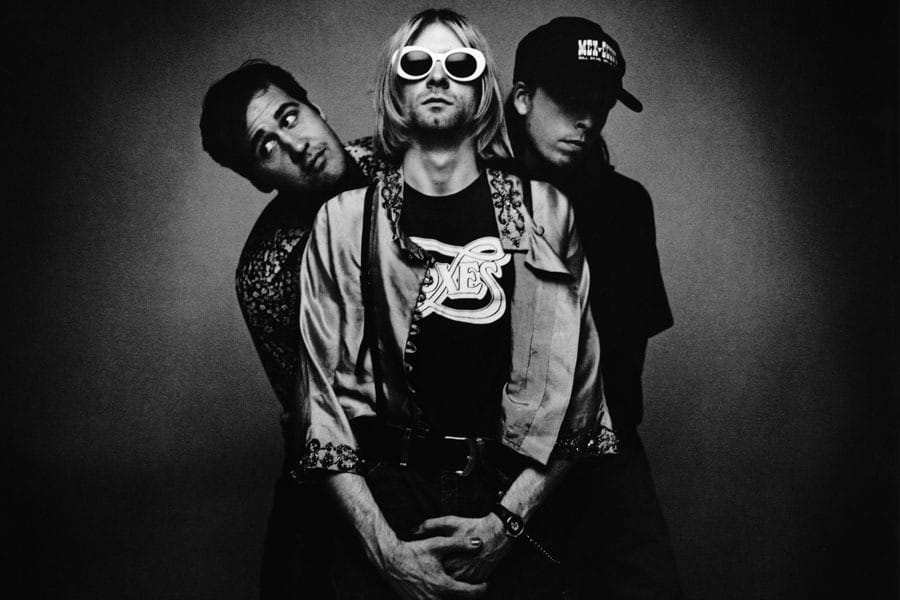
For Gen X, Nirvana was not simply a band. They were the lightning strike that split our cultural world in half. Teen Spirit did not just arrive. It detonated. It tore through the glossy veneer of early nineties pop culture like a wrecking ball, bringing every buried feeling to the surface.
Before Nirvana, the popular landscape was dominated by polished pop and stadium hair bands spraying half their paycheck on Aqua Net. Our generation was drowning in a world that kept insisting everything was sunny, cheerful and perfectly manageable. Meanwhile we were the latchkey kids, the survivors of rising divorce rates, the kids who learned to entertain ourselves in quiet rooms lit only by the glow of cable television.
Then Nirvana appeared and everything changed. Cobain did not sing like someone who wanted to be famous. He sang like someone who needed to make sure the rest of us stayed alive. His voice cracked in ways that made sense to us. His lyrics sounded like our internal monologue before we even had the maturity to realize it.
Nirvana was our truth teller. They were our translator. They spoke fluent Gen X.
Teen Spirit was our blast of rebellion. Lithium was our emotional instability anthem. Come As You Are felt like an invitation none of us had ever received before. In Bloom told the world exactly how misunderstood we felt. Even the quiet tracks like Something in the Way captured loneliness with a kind of devastating accuracy that no other band had touched.
For Gen X, Nirvana was the closest thing we ever had to our own Beatles moment. Not because they sounded like the Beatles, but because they shifted culture with the same force. They were our revolution disguised as distortion.
Why Gen Z Wearing Nirvana Is Not an Attack on Our Past
Nirvana means something heavy to us. But the idea that they belong exclusively to Gen X is a myth we invented because it feels good. And let’s be honest, we borrowed from the past too. We wore Jim Morrison like a personality trait. We bought Jimi Hendrix shirts from the mall, even though he died before most of us were botn. We blasted Janis Joplin in cars that rattled like they were held together with nothing but hope and duct tape.
We were not alive for Woodstock. We were not present for the British Invasion. We did not witness any of that history firsthand, yet we claimed it with open arms because the music spoke to us. We never asked for permission. We never wondered if Boomers thought we were worthy. We just listened.
Gen Z is doing the same thing. They are not disrespecting anything. They are discovering. They are curious. They are gravitating to a sound that somehow still resonates decades later. That is not an insult. That is a compliment of the highest order.
If Nirvana reaches new ears, that does not erase our memories.
It validates them.
The Trauma of Kurt Cobain’s Death and the Gen X Emotional Scar
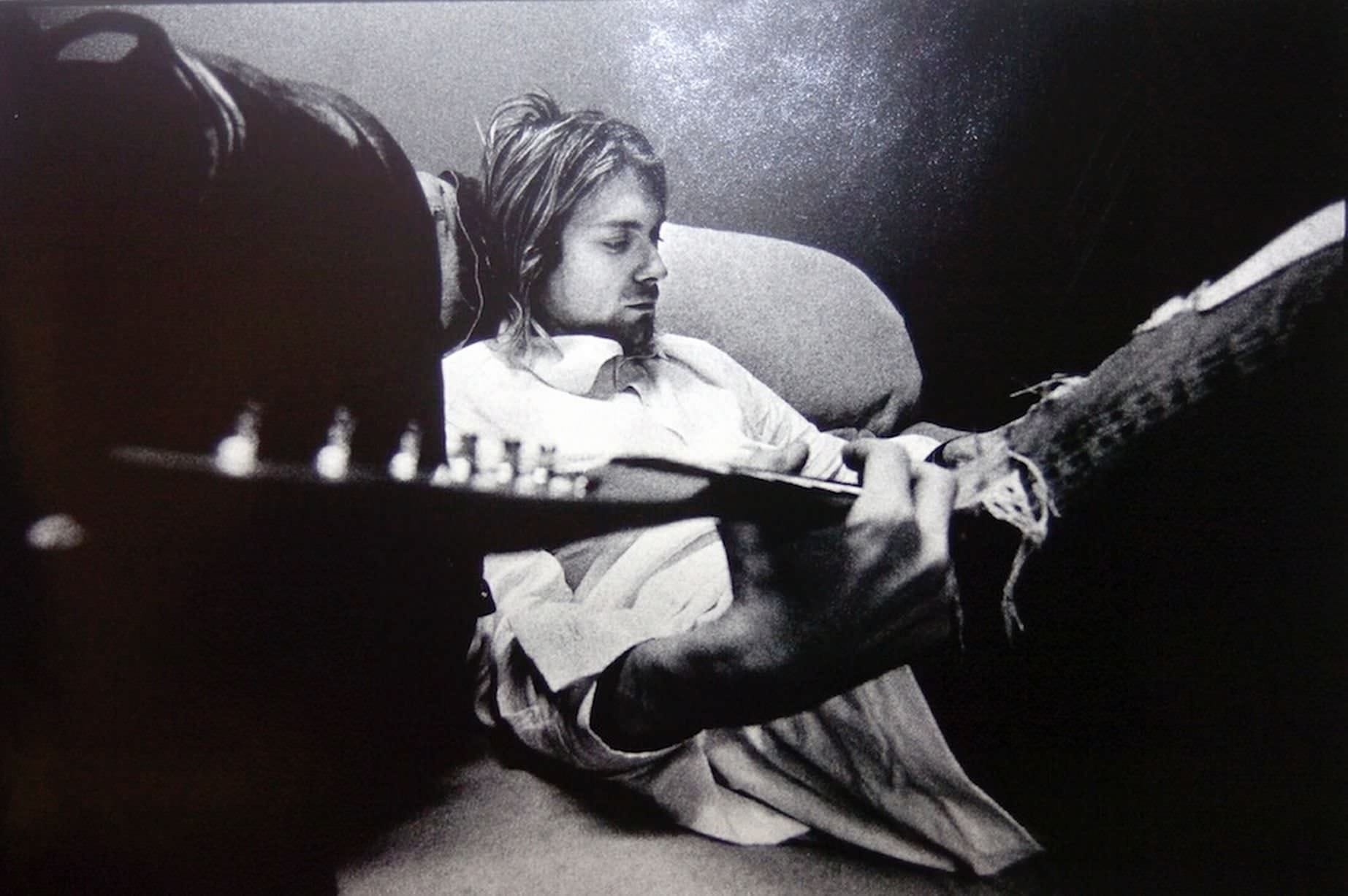
Every Gen X adult remembers where they were when Kurt Cobain died. The news hit like a punch to the nuts. It was not just a celebrity death. It felt like a personal loss, a seismic emotional event that sent shockwaves through our entire generation. There was a silent understanding in every hallway, every classroom and every late night phone call. Something had ended. Something we needed. Something we depended on for understanding had been ripped away.
When I heard Kurt had taken his own life, I felt something inside me collapse. I never met him and he never knew I existed, but he mattered in a way that felt personal. I sat alone in my room with the stereo turned up as loud as it would go, letting the music shake the walls because I needed it to fill the space where something had just gone missing. I cried harder than I had ever expected to cry over someone I had only known through speakers and noise complaints. It felt like a hole had been punched straight through my chest, and no one had the words to explain why it hurt so much. His voice had carried so many of us through things we did not talk about. Losing him felt like losing the one person who understood without needing to ask.
In that moment I finally understood how my father felt when Lennon was shot. We felt the same mixture of grief, disbelief and existential dread. We felt betrayed by the universe, confused about how someone who carried our collective emotional truth could be gone so suddenly. It was the first time many of us realized that idols were people and that pain could swallow even the brightest force.
That trauma is one of the reasons Gen X is so protective of Nirvana. The loss felt personal. The memories feel delicate. The music feels like a time capsule wrapped around old wounds. But none of that means we should lock the music away from others. If anything, it makes the case even more clearly that the band deserves to keep finding new listeners.
The Gatekeeping Problem and Why We Need To Knock It Off
Somewhere along the line, Gen X developed a strange reflex. We see a teenager in a Nirvana shirt and immediately transform into self appointed music police. We start quizzing them like we are guarding the gates of Valhalla. Name three songs. Who played drums on Nevermind. Prove you deserve the shirt.
This is the exact opposite of everything Nirvana stood for. We are acting like the very boomers who once lectured us about real music. We sound old, bitter and strangely territorial.
The truth is simple. Music only survives when it keeps moving. When it travels from generation to generation. When someone new plays it loud for the first time and feels like the world rearranged itself.
When we gatekeep Nirvana, we suffocate the very legacy we claim to protect.
Let Gen Z Discover the Band Their Way
Gen Z finds music through algorithms, playlists and viral clips. They find it the same way we once found music in record stores with fluorescent lights that hummed overhead and clerks who looked like they hated everything. Their path is different, not wrong.
If a Nirvana tee in Target is their first breadcrumb, that is more meaningful than we give it credit for. It is a doorway. And if that doorway leads them to put on headphones and hit play on Smells Like Teen Spirit at full volume, then guess what. They are about to feel the same jolt we felt.
And here is the best part.
They will love it for reasons that have nothing to do with us.
It will speak to them in ways we cannot predict.
It will become their music too.
That is how legacy works.
A Direct Callout to Gen X
Gen X, stop for a moment and remember your first real listen. Not the casual one. The moment you cranked Nirvana so loud the speakers buzzed. When the riff hit so hard it practically rewired your brain. When the music made you feel seen for the first time in a way nothing else ever had.
Now ask yourself honestly. Do you want to deny that same moment to another generation. Do you want to be the barrier that stops someone else from having their entire emotional world cracked open by the same band that saved so many of us.
If the music meant that much to us, then the most Gen X thing we can do today is let someone else have the same awakening.
A Call for Cross Generational Peace in the Aisle of Target
Here is the truth, plain and simple. Yes, it hurts my heart to see Nirvana shirts piled up next to throw pillows and scented candles. But it heals my heart to think that someone might buy one and go home curious enough to press play. It heals my heart to think that the music will outlive us. It heals my heart to imagine a teenager discovering Lithium at 2 a.m. and feeling understood in the same way we once did.
Nirvana was our emotional compass. They were our language when we did not know how to speak. They were our revolution. But revolutions are not meant to be preserved in glass cases. They are meant to inspire the next wave.
And honestly, the thought that new generations are finding Nirvana excites me. It tells me that even after all this time, the music still matters. It tells me that our Beatles are still being discovered. It tells me that the fire never went out.