
Neutral Milk Hotel The Band You Never Expected to Love
Neutral Milk Hotel is not a band you casually discover. It finds you later in life, when you finally have the emotional range to understand it. This is a fan driven deep dive into the band, the album that defined them, and why it still matters.

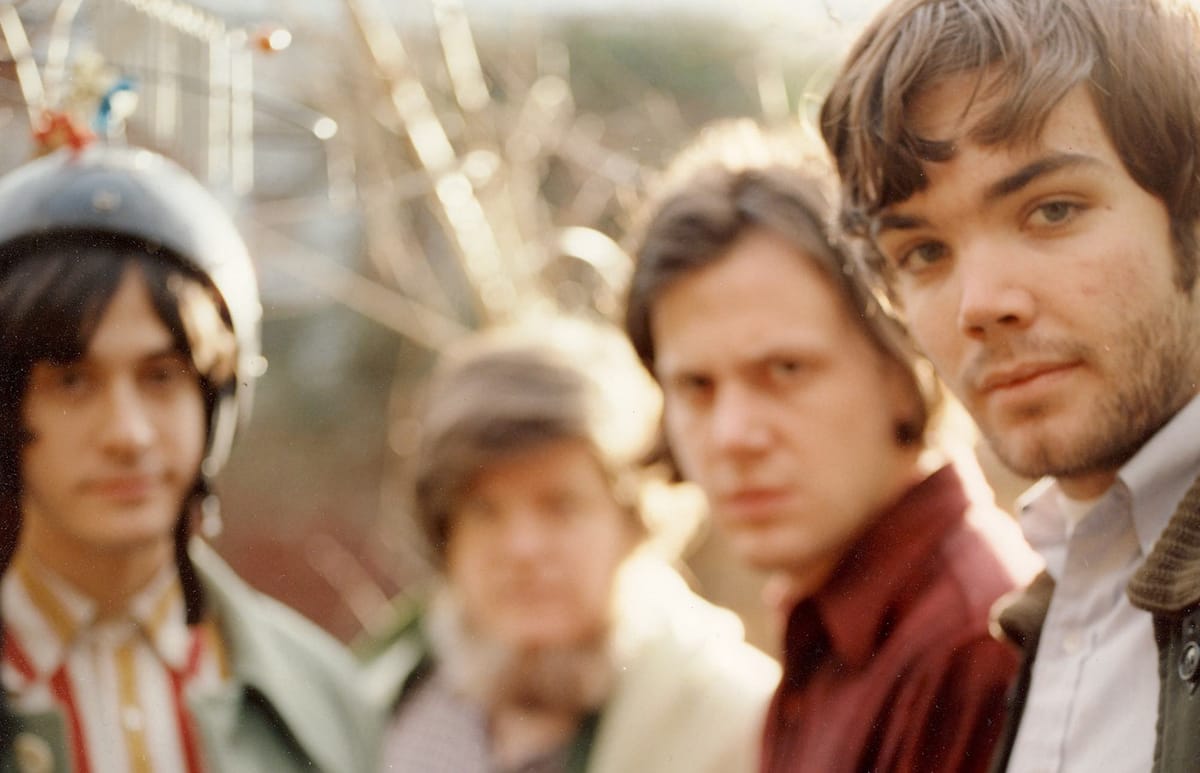
Some bands soundtrack your youth. Others soundtrack your regrets. Neutral Milk Hotel does something stranger. It sneaks up on you years later, taps you on the shoulder, and wrecks you when you finally have the emotional mileage to understand it. This is not a band you casually put on while doing dishes. This is a band that asks for silence, attention, and a little emotional courage.
If you missed Neutral Milk Hotel the first time around, congratulations. You get to experience it now, with a life fully lived and enough scars to appreciate what Jeff Mangum was trying to say before most of us were ready to listen.
This band is not hype. It is not nostalgia bait. It is a quiet masterpiece hiding in plain sight.
Neutral Milk Hotel and the Elephant 6 Scene
Neutral Milk Hotel came out of the Elephant 6 collective, which feels less like a music scene and more like a secret handshake. Elephant 6 was built on shared ideas, borrowed instruments, and an almost stubborn belief that creativity mattered more than marketability.
These were musicians recording wherever they could, trading ideas freely, and trusting instinct over instruction. There was no obsession with perfection. There was obsession with feeling. That mindset is baked into Neutral Milk Hotel’s DNA.
This was never music designed to scale. It was music designed to survive.
Jeff Mangum as the Reluctant Frontman
Jeff Mangum is not a rock star. He is a conduit. His songs feel less written and more exorcised. His voice strains, cracks, and pushes past comfort because comfort was never the goal. When he sings, it sounds like he is discovering the words at the same moment you are.
Mangum never seemed interested in explaining himself. He did not polish interviews. He did not clarify lyrics. He did not step forward to collect applause. That resistance makes the music feel even more intimate. These songs were not created to be consumed. They were created because they had to exist.
The Album That Refused to Fade Away
When In the Aeroplane Over the Sea was released in nineteen ninety eight, it did not arrive with fireworks. It arrived quietly. And then it refused to leave.
This album does not grow on you. It imprints. For some people, it takes a few listens. For others, it detonates immediately. Once it hits, it never really lets go. You do not just remember this album. You carry it.
Why This Album Sounds Like Nothing Else
Every sound on this record feels intentional, even when it sounds chaotic. Acoustic guitars sit next to blown out bass. Horns burst in like emotional punctuation. Background noise remains because removing it would remove the humanity.
This is not lo fi for aesthetic reasons. This is lo fi because anything cleaner would have been dishonest. The album feels handmade, vulnerable, and unprotected. It sounds like someone trusted you enough to leave the flaws in.
In the Aeroplane Over the Sea The Song That Carries the Album
The title track is the soul of the record. It is the song that turns curiosity into obsession.
The Opening Lines Everyone Remembers
From the first moments, the song pulls you into Mangum’s headspace. There is no distance between listener and singer. It feels personal in a way that borders on intrusive. Like reading a letter not meant for you and realizing it somehow knows you anyway.
Love Loss and Transcendence in One Song
This song holds joy and devastation in the same breath. Love feels sacred and fragile. Loss feels inevitable. Memory feels slippery. Nothing is resolved because resolution is not honest. The song understands that emotions rarely line up neatly.
Why This Song Becomes a Personal Soundtrack
People attach their lives to this song. Breakups. Late night drives. Grief. Hope. The song does not dictate meaning. It absorbs it. Every time you come back, it reflects who you are at that moment.
What the Critics Actually Said
The story of this album is also the story of critics catching up.
Early Reviews Versus Long Term Praise
At first, some reviewers did not know what to do with it. It was too raw. Too earnest. Too strange. Over time, perspective changed. What once seemed messy began to feel fearless. What once felt unrefined began to feel brave.
Now, the album is almost universally treated as sacred text within indie music circles. Not because it is perfect, but because it is honest in a way few records dare to be.
The Meaning Behind the Noise
Jeff Mangum has spoken about the influence of Anne Frank’s diary on the album, but the songs are not historical reenactments. They are emotional responses. They wrestle with innocence, mortality, and the unbearable weight of loving something fragile in a violent world.
The album resists interpretation because it understands that explanation cheapens experience.
Why Fans Keep Finding New Meaning
The lyrics leave room. That room is intentional. It allows listeners to grow into the album rather than out of it. What you hear at twenty is not what you hear at forty. The album stays the same. You do not.
Bands and Artists Who Cite Neutral Milk Hotel as an Influence
The reach of Neutral Milk Hotel is massive, even if it operates quietly.
Indie and Alternative Artists Who Followed the Blueprint
Arcade Fire took the emotional sprawl and made it cinematic. Bright Eyes leaned into confession. Bon Iver embraced vulnerability and isolation. The Decemberists borrowed narrative ambition. The Mountain Goats shared the belief that sincerity is enough.
You hear Neutral Milk Hotel in all of them, not as imitation, but as permission.
Why Their Influence Shows Up Everywhere
Neutral Milk Hotel gave artists permission to be earnest without irony. To be emotional without apology. To trust that an audience would meet them halfway.
That permission changed everything.
The Long Silence and the Legend
After the album, Jeff Mangum disappeared. No tours. No interviews. No follow up album. In an industry obsessed with output, silence became the loudest statement possible.
The absence did not weaken the album. It strengthened it. When Neutral Milk Hotel eventually returned to the stage years later, it felt less like a comeback and more like a confirmation.
The music had survived without explanation.
Neutral Milk Hotel is not a phase. It is not a guilty pleasure. It is a record that waits until you are ready to feel everything at once. Some bands age with you. Others wait until you catch up.
Neutral Milk Hotel is not asking to be liked. It is asking to be felt.
Put the album on. Let it play straight through. Sit with whatever it stirs up. Then understand why people never shut up about this band.