
Leica DLux 7 vs Your Phone: It Isn’t Cheap, but Damn It Delivers
When I compared the Leica D Lux 7 to my smartphone it was more than an upgrade, it was a statement. This compact camera delivers true image quality. Yes, it costs more, but the detail, control, and experience it brings make every shot worth it.

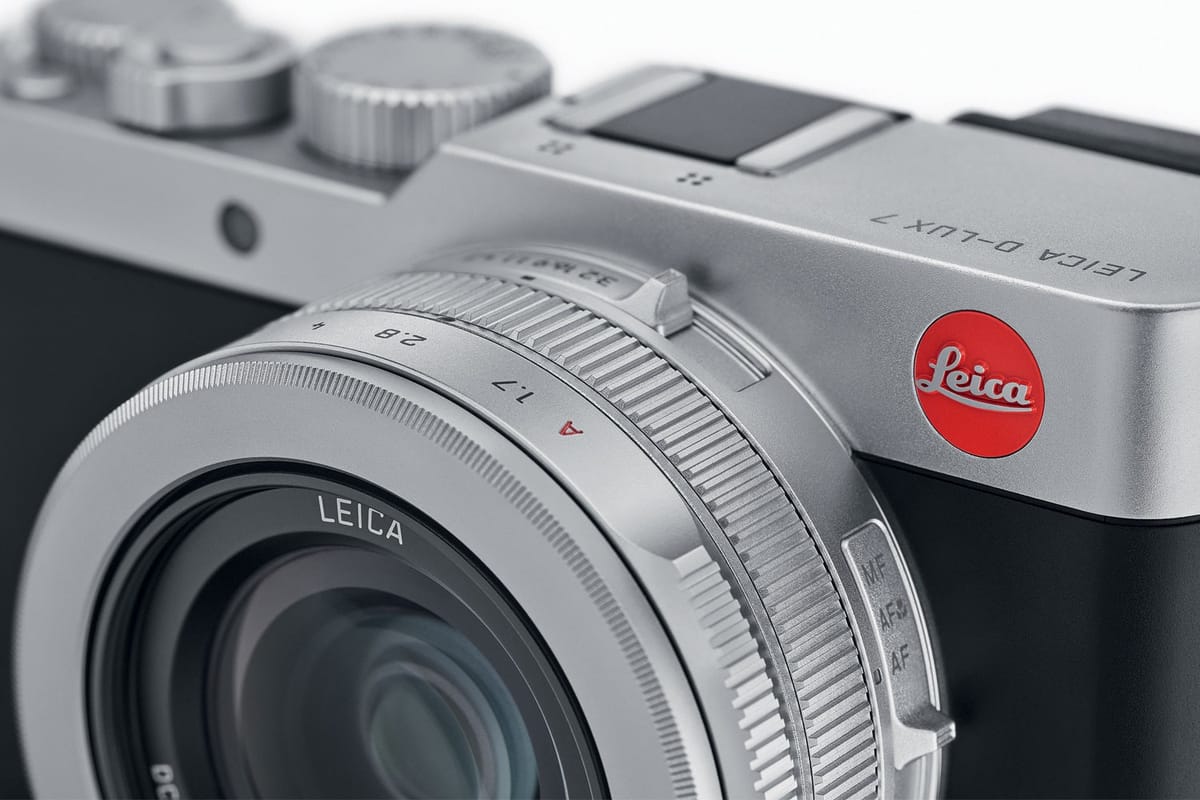
he modern world convinced everyone they are a photographer. A tap, a filter, and a share button have become the new darkroom. Yet for all that instant gratification, something got lost along the way. Real cameras disappeared from daily life, traded for convenience. Then comes the Leica DLux 7, a compact that whispers old-school craftsmanship and shouts optical power.
Holding this camera feels like remembering why photography once mattered. It offers control without complexity, beauty without fragility, and results that remind your eyes what real detail looks like. The DLux 7 does not try to replace your phone. It simply reminds you that a phone was never built to replace it. In an era obsessed with speed, Leica still believes that slowing down is where the art hides.
The Leica Legacy: Why the Name Still Means Something
Leica’s history is not marketing fluff. It is industrial heritage. The company began in Wetzlar, Germany in the nineteenth century when Ernst Leitz I built optical instruments with obsessive precision. His engineers later helped Oskar Barnack create the first compact 35 millimeter camera, shrinking photography from a studio exercise into something you could hold in your hand. That single decision rewired visual culture. Street photography, war journalism, fashion, even family snapshots all owe their existence to that leap.
For more than a century, Leica has stayed true to that principle. It builds tools that outlast trends. Each camera still passes through human hands in Wetzlar or in the company’s plant in Portugal. Reviewers often describe the tactile difference immediately. “When you hold a Leica, it exudes a sense of quality and solidity that is just on a higher plane.” Another observer called the brand’s cameras “jewelry made for work.” Those lines may sound dramatic until you actually feel one. The machining is tight, the materials dense, and every movement deliberate.
That legacy also explains the price. Leica refuses to flood the market with disposable gear. Instead, it creates fewer units and treats each as a precision instrument. The result is a brand that still stands for longevity, reliability, and a kind of analog honesty in a digital world obsessed with shortcuts.
First Impressions: The Feel of Quality
Unboxing the DLux 7 is a reminder that design can still mean something. The camera’s aluminum shell feels solid, cool to the touch, and perfectly balanced. There is nothing flashy about it. No oversized grip, no cluttered surface, no gimmick to hide mediocrity. Leica designs for restraint. Even the logo seems more like a signature than a sales pitch.
Pick it up and you instantly feel the difference between this and a mass-produced compact. The top plate carries manual dials for aperture and shutter speed, each with firm tactile clicks that recall mechanical precision. The buttons have a deliberate resistance that signals intention rather than impulse. Every part feels engineered, not assembled.
The viewfinder gives photographers something phones cannot: focus and immersion. Framing a shot through glass isolates you from distraction. It turns photography back into a conversation between eye and subject rather than screen and interface. That physicality is addictive. Within a few minutes, you stop treating it like a gadget and start treating it like a creative tool.
The camera’s weight hits a sweet spot. It is light enough to carry all day yet heavy enough to feel trustworthy. It slides easily into a jacket pocket, making it ideal for travel or spontaneous city walks. When people notice it, they do not see another device. They see intent.
Specs That Matter: Where the Magic Comes From
Inside this minimalist shell lives a serious imaging engine. The DLux 7 carries a Micro Four Thirds sensor capable of seventeen effective megapixels. That might sound modest compared to today’s forty-something megapixel arms race, yet what matters is sensor size, not pixel count. The larger surface area captures more light and detail than any smartphone sensor can.
The lens is the true star. A built-in zoom equivalent to 24 to 75 millimeters on a full-frame camera, with a bright aperture range of f 1.7 to 2.8, offers both wide landscapes and flattering portraits without compromise. Leica’s optical coatings control flare, maintain contrast, and keep color rendition neutral and lifelike. In practical terms, that means you can shoot indoors, outdoors, or after dark and still get clean results.
Performance backs the specs. Continuous shooting reaches eleven frames per second with locked focus, while the autofocus system handles most real-world subjects gracefully. Video shooters get 4K UHD at 30 frames per second plus Wi-Fi connectivity for quick transfers. None of this feels experimental or bloated. It feels purposeful.
Where smartphones rely on computational correction, Leica relies on pure optics and sensor quality. The difference shows in how edges hold sharpness, how shadows retain texture, and how transitions between tones remain smooth instead of algorithmic.
Real World Shooting: How It Performs
Take the DLux 7 outside and it rewards you immediately. Colors look natural without the over-processed punch of phone images. Skin tones appear human, not plastic. Detail across the frame remains consistent, and the depth of field control gives a cinematic feel even at modest apertures.
Reviewers from FindingRange praised its daylight performance, calling the files “sharp, clear, and vibrant.” PhotographyBlog noted its “outstanding picture quality in all shooting scenarios.” They are not exaggerating. Whether capturing architecture, street life, or family moments, the camera consistently produces images that look intentional rather than automated.
Low-light performance holds its own. The fast aperture helps, and the sensor’s larger size keeps noise manageable up to ISO 3200. Autofocus slows a little in dim settings, yet manual focus through the viewfinder remains a joy, aided by focus peaking. The ergonomics promote concentration. Adjusting exposure with physical dials means you think before shooting, which ironically speeds up good decision-making.
Compared directly to a phone, the gap is obvious. Smartphones compress the dynamic range to make every photo look acceptable. The Leica preserves contrast and character. Highlights stay bright but not burned, and shadows keep detail rather than dissolving into digital mud. You can feel the difference before you even zoom in.
The Leica Look: What Makes It Different
The Leica Look is part science, part myth, and entirely real once you experience it. It is not about saturation or HDR tricks. It comes from the way Leica lenses and image processors handle micro-contrast, that subtle separation between tones that gives depth to a flat image.
With the DLux 7, Leica applied its own color tuning rather than the Panasonic algorithm that powers its sibling, the LX100 II. The result is richer midtones, smoother gradations, and a more organic texture. Photographers often describe it as “filmic,” and that is accurate. The files invite printing rather than endless editing.
The character shows in black-and-white conversions too. The tonal balance creates a sense of atmosphere, especially in street scenes. Shadows roll gently instead of clipping. Highlights breathe instead of exploding. This is what photographers mean by rendering rather than resolution.
Leica has always valued emotion over perfection. The DLux 7 continues that philosophy. Each frame feels honest. Even mistakes look artistic. In a time when AI filters chase flawlessness, Leica continues to celebrate imperfection as proof of authenticity.
Is It Worth the Price Tag?
The DLux 7 retails around one thousand three hundred dollars, depending on region and kit. For a compact camera, that is steep. Yet value is never about numbers alone. Consider longevity, repairability, and resale. Leica cameras tend to hold worth better than any consumer electronics product. Their mechanical reliability means they rarely become e-waste.
You are paying for more than image quality. You are investing in materials, design, and heritage. The aperture ring and shutter dial feel milled, not molded. The controls survive thousands of cycles without looseness. One reviewer summed it up perfectly: “Built with high-quality materials and engineered to withstand heavy use, the Leica does not just look like a classic; it feels like one.”
Against a top-tier smartphone, the DLux 7 may seem extravagant. Yet the phone depreciates the moment you unbox it. Leica gear invites decades of use. That alone reframes the equation. You also gain the satisfaction of using a device built for art, not social validation. It encourages patience, intentional framing, and respect for light.
In short, yes, it is expensive. It is also worth every cent for those who care about results that outlive the algorithm of the month.
Who It’s For (and Who It Isn’t)
The DLux 7 targets photographers who love the process as much as the outcome. It suits travelers, documentarians, designers, and nostalgic Gen X creatives who still remember film cameras as companions rather than accessories. It thrives in hands that want control without hauling a full rig.
This is not for people chasing instant gratification. There is no portrait mode fakery or auto-beauty filter. You get what you shoot. That truth can be uncomfortable but freeing. The DLux 7 rewards curiosity. Experiment with aperture, shutter, and ISO and it teaches you how light behaves. That lesson alone separates photographers from content creators.
Parents looking for better vacation photos will appreciate its portability. Street photographers will love its stealth. Professionals might use it as a second body for travel assignments. The consistent theme is authenticity.
Who should skip it? Those who want the convenience of a smartphone workflow. The Leica app allows wireless transfers, but it is not frictionless. This camera is about deliberate creation, not posting before the moment ends. If that sounds tedious, the DLux 7 may frustrate you. If it sounds refreshing, welcome home.
Damn It Delivers
The Leica DLux 7 is not about specs. It is about experience. It proves that craftsmanship, intention, and simplicity can still beat convenience. It occupies a rare space between nostalgia and innovation. You can hand it to a beginner and get immediate results, yet it has enough manual control to satisfy veterans who grew up on film.
Its image quality stands tall against cameras twice its size. Its design feels like something built, not manufactured. And its presence reminds you that photography used to be personal, not transactional. The DLux 7 asks nothing more than your attention, and it gives back images that feel alive.
Phones will always be faster. They will never feel like this. The DLux 7 is for those who want to slow down, breathe, and see again. In that sense, it is not just a compact camera. It is a statement about valuing craft over convenience.
So yes, it is not cheap. But damn it delivers.
Here are a few recent shots taken with Leica Dlux7