
Infuriating Spelling and Grammar and Why English Deserves Better
The English language is not dying, but it is definitely being mistreated. A sarcastic Gen X take on infuriating spelling and grammar, punctuation abuse, meaningless words, and why use almost always beats utilize.

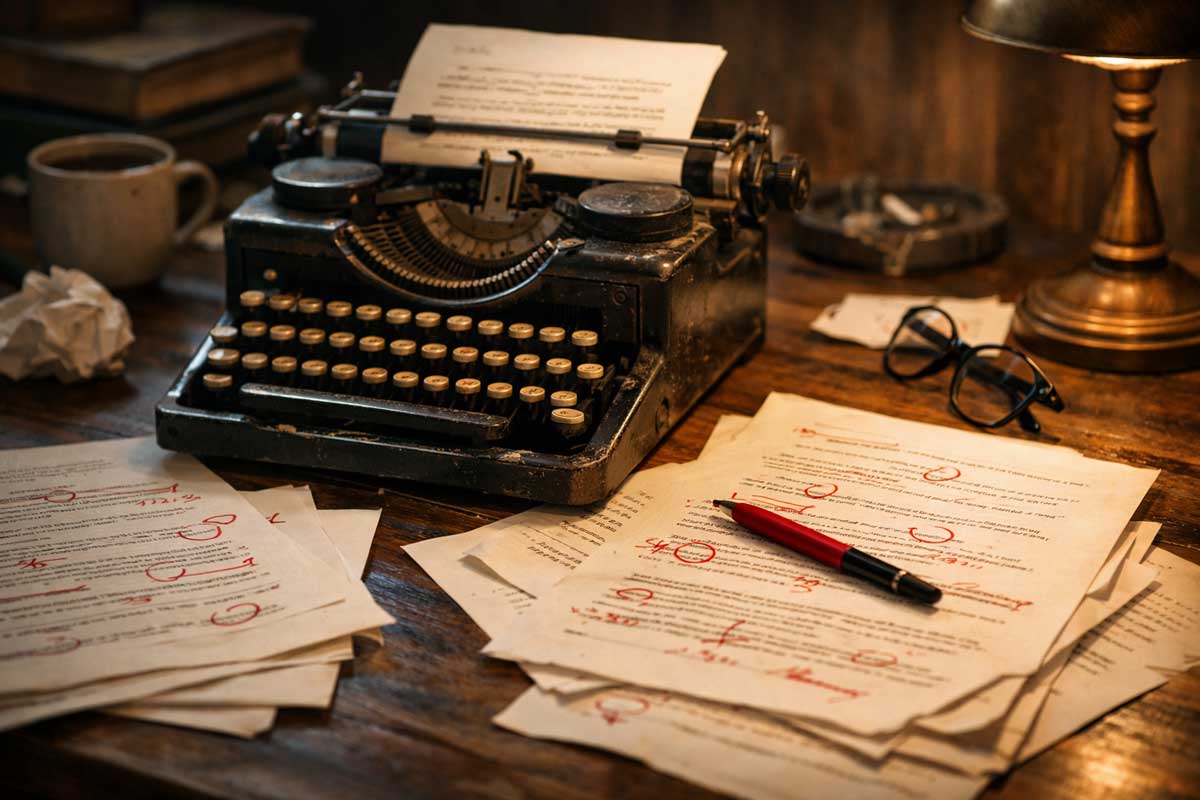
I am not perfect. Let us get that out of the way immediately. I miss a comma now and then. Autocorrect occasionally betrays me. I have reread something I wrote and thought how did I let that slide. I am also painfully aware that my two biggest critics are my mother and my wife, both unapologetic grammar purists. They notice everything. Especially my mistakes.
My mother, in particular, drilled the importance of proper spelling and grammar into me early. Red pen. Dictionary. No excuses. Words mattered. Details mattered. That lesson stuck, even if I occasionally test its limits. So when I watch the English language get absolutely mangled in emails, texts, marketing copy, and professional documents, it feels personal. This is not about being smarter than anyone else. It is about caring enough to communicate clearly and not treating language like a disposable napkin.
How We Broke the English Language Without Noticing
We did not wake up one day and collectively decide to abandon spelling and grammar. It happened slowly. Text messages rewarded speed. Social platforms rewarded volume. Workplace chat rewarded immediacy over thought. Somewhere along the way, typing fast became more important than writing well. The problem is not informality. Informality can still be clear. The problem is laziness disguised as evolution.
Language changes over time. That is normal and healthy. What we are experiencing now is not evolution. It is erosion. When meaning becomes optional, communication collapses into noise.
Punctuation Is Not Decorative
Punctuation exists for a reason. It is not seasoning. It is structure. A comma can change intent. An apostrophe can change ownership. Quotation marks indicate speech, not sarcasm or emphasis.
Incorrect usage
Lets eat grandma
Correct usage
Let us eat, grandma.
Incorrect usage
Your amazing at this
Correct usage
You are amazing at this.
Incorrect usage
The report was completed by the managers
Correct usage when ownership matters
The report was completed by the managers.
People love to say punctuation does not matter because everyone knows what they mean. That is not always true. Even when it is, the reader has to work harder. If your writing makes people work harder than necessary, you are doing it wrong.
Words That Sound Smart but Say Nothing
There is a special place in linguistic purgatory for words that sound professional but deliver nothing. Agreeable is a prime offender. It floats into sentences like it belongs there, nods politely, and leaves without contributing anything of value.
Incorrect usage
This solution is agreeable for our needs.
Proper usage when meaning is actually present
The solution meets our needs.
Agreeable often replaces clearer language because it feels safe. Safe language rarely communicates well. Precision does.
Use Versus Utilize Pick One and Mean It
This one is personal. Use and utilize are not interchangeable twins. Utilize has a specific meaning. It refers to using something in a way that was not originally intended.
Correct usage of utilize
We utilized spare parts to repair the equipment.
Incorrect usage
We will utilize the new software tomorrow.
Correct usage
We will use the new software tomorrow.
Utilize is not smarter. It is not more professional. It is often just longer. When people default to utilize, it usually signals insecurity, not sophistication.
Most dictionaries and style authorities agree that utilize means to make practical use of something, often in a novel way. That distinction matters. Most of the time, use is doing the job just fine.
I Am Not Perfect But I Am Paying Attention
This is not a purity test. Everyone makes mistakes. The difference is whether you care enough to notice them and correct them. I hear about it quickly when I do not. Living with grammar purists will do that.
Paying attention is a form of respect. It shows respect for the reader and for your own thinking. Editors miss things. Writers miss things. The goal is not flawlessness. The goal is effort.
Why This Still Matters More Than People Admit
Language shapes thought. When language becomes sloppy, thinking follows. Studies on credibility consistently show that readers judge trustworthiness based on spelling and grammar accuracy. Errors reduce perceived authority and professionalism, especially in leadership and business contexts.
Clear language leads to clear decisions. Vague language creates room for misunderstanding. In leadership, marketing, and culture, that gap matters.
English deserves better than what we are currently doing to it. Not perfection. Not elitism. Just care. Care enough to use punctuation correctly when applicable. Care enough to choose words that mean something. Care enough to slow down before hitting send. That is not snobbery. That is basic respect for communication.