George Takei’s They Called Us Enemy Is the History Lesson America Still Needs
When I learned about They Called Us Enemy by George Takei it felt like an overdue history lesson. His story of childhood internment, survival and resistance speaks to America’s past and still matters in our present age.

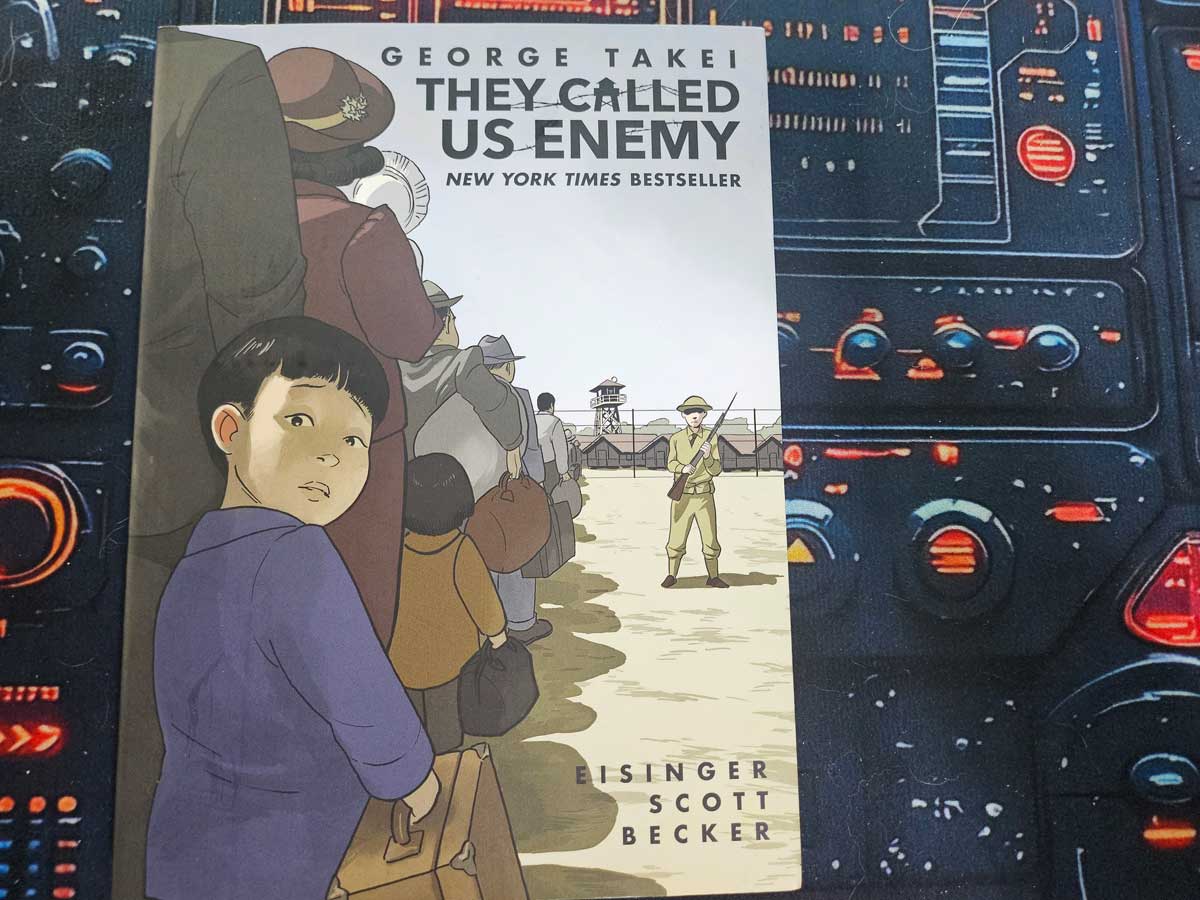
Comic books are not usually where you expect to find lessons about morality or democracy, but George Takei’s They Called Us Enemy proves that powerful truth can come in panels and ink. This illustrated memoir is emotional, honest, and unforgettable. It tells a story of loss and resilience that every American should know, especially today.
The History Behind the Story: America’s Dark Chapter
After the attack on Pearl Harbor in 1941, fear took over common sense. In 1942, President Roosevelt signed Executive Order 9066, forcing about 120,000 Japanese Americans from their homes. Most of them were citizens. Families were uprooted with only what they could carry. They lost houses, jobs, and their freedom overnight.
The government called them “relocation centers,” but they were prisons in everything but name. The United States turned against its own people simply because of their ancestry. Takei’s book makes this history personal. Through the eyes of a young child, you see what betrayal by your own country feels like.
George Takei’s Family Journey Through Injustice
George Takei was five when soldiers came to his family’s Los Angeles home. His parents did what they were told, packing quickly and leaving behind everything they had built. The family first stayed at the Santa Anita racetrack, where horse stalls became their temporary home. Later they were moved to Rohwer Camp in Arkansas and then to Tule Lake in California.
Takei recalls long train rides, small rooms, and barbed fences under the same flag that promised liberty. He remembers not understanding why armed guards watched them or why his father could no longer vote. Through every page you can feel both the fear and the quiet strength of his family. It is heartbreaking and deeply human.
They Called Us Enemy: A Graphic Memoir That Teaches Empathy
Written with Justin Eisinger and Steven Scott and illustrated by Harmony Becker, this memoir shows how art can make history come alive. Becker’s drawings are clean and full of emotion. Faces tell stories that words alone cannot. Every panel invites the reader to feel rather than just read.
The format makes the book accessible for young readers while still powerful for adults. It does not soften the truth, but it delivers it in a way that connects instantly. The story is about more than one family. It is about how easily fear can erase humanity and how courage and compassion can bring it back.
Lessons That Still Matter Today
Takei’s story does not live in the past. It is a warning for the present. He draws connections between the hysteria of the 1940s and the modern fear of anyone seen as different. His message is clear. Democracy is fragile, and silence helps no one.
The book reminds us that history repeats itself when people look away. Reading it now, you can see how relevant it remains in a world still struggling with racism, division, and misinformation.
Why You Should Read It
This book stayed with me long after I closed it. It is emotional, educational, and beautifully done. Takei turned his childhood pain into a story that invites reflection and empathy. It reminds us what kind of country we want to be and how easily we can lose sight of that if we stop paying attention.
If you ever doubted that a comic could teach you something real, this one will. They Called Us Enemy is a history lesson, a memoir, and a moral compass wrapped into one. Read it, talk about it, and share it. Stories like this deserve to be heard.
If this story moved you, share it with someone else. Talk about it, teach it, and help make sure this part of history is never forgotten. You can find They Called Us Enemy anywhere books are sold or at your local library.